How EV Pickups Are Rebuilding Construction Profits

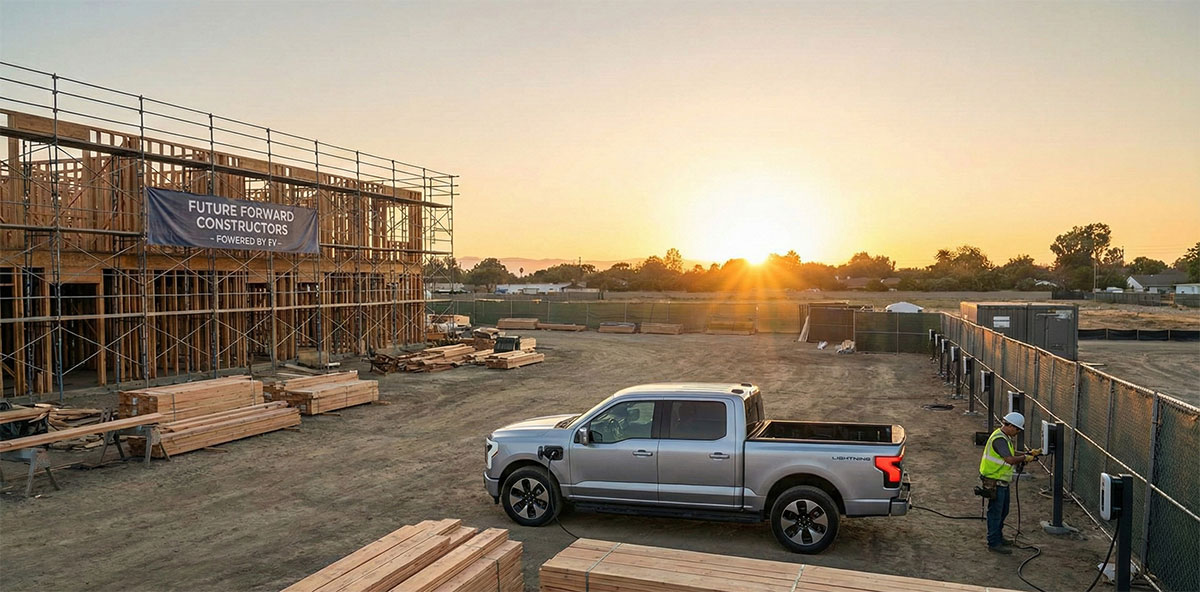
In the construction industry, the pickup truck has always been more than just a vehicle. It serves as a mobile office, a toolbox, and a pack mule. However, as fuel prices fluctuate and maintenance costs for aging diesel fleets climb, a new tool is entering the job site. The Electric Vehicle (EV) pickup is that tool. For small, growing construction firms, the transition to electric is not just a “green” statement. It is a strategic move to slash overhead and improve operational efficiency.
1. Slashing Fuel and Power Costs
The most immediate impact on a small company’s bottom line is the elimination of the gas card headache.
- Energy Efficiency: A traditional internal combustion engine wastes nearly 80% of its energy as heat. Electric motors convert approximately 90% of energy into motion.
- Charging vs. Filling: Charging a truck at off-peak utility rates can cost roughly $0.07 per mile. This compares to $0.20 per mile or more for gas counterparts.
- The Mobile Generator: Many EV trucks offer onboard power up to 9.6kW. This allows crews to run miter saws and air compressors directly off the truck. This feature eliminates the cost and maintenance of standalone gas generators.
2. Radical Reduction in Maintenance
Construction is hard on trucks. Idle time at job sites, heavy towing, and stop and go city driving accelerate wear on traditional engines.
- Simplified Mechanics: EV drivetrains have a fraction of the moving parts found in a diesel engine. There are no oil changes, spark plugs, or transmission flushes.
- Brake Longevity: Regenerative braking uses the motor to slow the truck. This process captures energy back into the battery. It significantly reduces wear on brake pads and rotors. These are major recurring costs for trucks hauling heavy equipment.
- Increased Uptime: For a small company, a truck in the shop is a truck not making money. Fewer mechanical failures mean more days on the job site.
3. The Power of Integrated EV Fleet Charging
The real secret to scaling a small construction company with electric power lies in a robust EV fleet charging strategy. Rather than relying on expensive public chargers, a growing company can install EV fleet charging solutions at their warehouse or yard.
- Cost Control: Dedicated EV fleet charging stations allow managers to track energy consumption per vehicle. This provides precise data for job costing.
- Overnight Readiness: With an optimized EV fleet charging setup, every truck starts the day at full capacity. This ensures crews never waste billable hours at a gas station during the morning rush.
4. Direct Cost Comparison (Estimated 2026 Data)
The following table illustrates the typical operational differences over a 15,000 mile year for a single work truck.
| Category | Gas Pickup (18 MPG) | EV Pickup (2.0 mi/kWh) | Annual Savings |
| Annual Fuel/Energy | ~$3,000 (@ $3.60/gal) | ~$1,050 (@ $0.14/kWh) | $1,950 |
| Routine Maintenance | ~$900 (Oil, Filters, Brakes) | ~$350 (Coolant, Rotations) | $550 |
| On-Site Power Use | ~$400 (Gas Generator Fuel) | Included (Onboard Power) | $400 |
| Total OpEx | $4,300 | $1,400 | $2,900 |
5. Smart Tax Strategies (2026 Update)
The tax landscape remains favorable even as purchase credits have evolved. Under current 2026 regulations, many small businesses can utilize Bonus Depreciation to deduct a significant portion of the purchase price in the first year. Additionally, federal credits for installing the infrastructure for EV fleet charging often cover up to 30% of the equipment and installation costs. This makes owning a private fueling station more affordable than ever.
Moving Toward a Modern Job Site
The initial price of an EV pickup is often mitigated within the first three years of ownership through fuel and maintenance savings alone. For a small company looking to scale, the EV truck is a high performance asset. When supported by reliable EV fleet charging, it turns one of your largest expenses into a controlled and predictable cost. This shift allows your team to focus on the build rather than the fuel pump.
Stop losing profit.
Build bids in minutes and track every dime with ProfitDig.
Start Risk-Free30-Day Money Back Guarantee