Keep Your Machines Running Smoothly: The Importance of Greasing Fittings

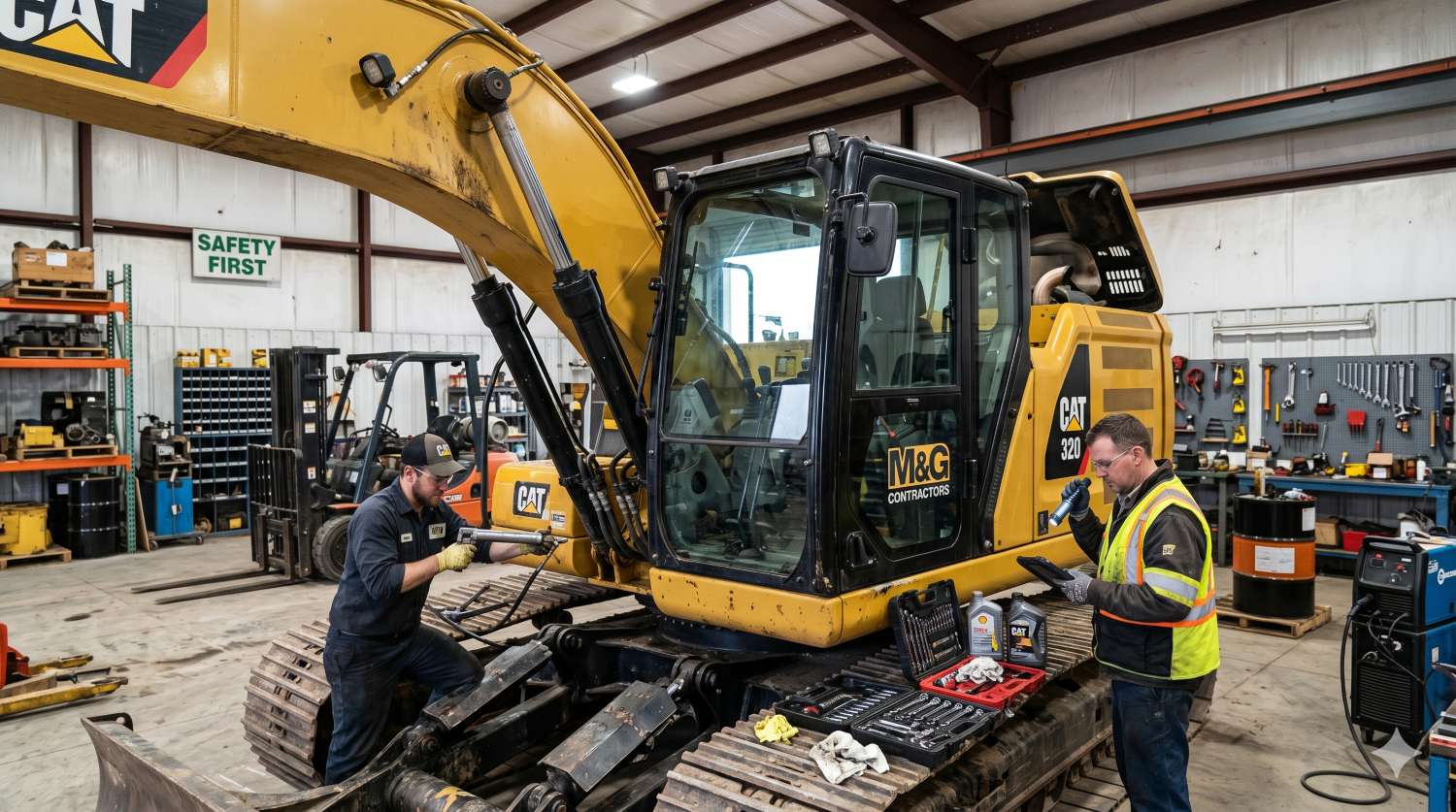
Keep Your Machines Running Smoothly: The Importance of Greasing Fittings
As any contractor knows, keeping your machinery in good shape is key to running a successful business. One of the simplest yet often overlooked tasks is making sure that your grease fittings are taken care of. Neglecting them can lead to costly repairs and downtime, which can hit your income hard. In this post, we’ll cover why greasing those fittings regularly matters, what you need to check, and how to put this into your routine.
Why Greasing Fittings Matters
Think of your machinery as the backbone of your operation. Without it, you can’t get the job done. When you don’t grease the fittings, you’re setting your machine up for wear and tear. Over time, this can lead to serious breakdowns.
When a machine breaks down, it’s not just about the repair costs. It can also mean days or even weeks of downtime. During that time, you could be losing money and possibly even clients. Plus, you might have to rent equipment to keep the job moving, which adds another layer of expense.
What to Check on Your Equipment
Here’s a quick checklist to help you make sure your machines are ready to go:
- Locate All Grease Fittings: Make sure you know where all the grease fittings are located on each piece of equipment. They can be easy to miss if you’re not looking for them.
- Inspect for Damage: Before you grease, check the fittings and the surrounding area for any signs of damage. If a fitting is cracked or broken, it needs to be replaced.
- Use the Right Grease: Not all grease is created equal. Make sure you’re using the right type for your machinery. Refer to the owner’s manual if you’re unsure.
- Grease Regularly: Set a schedule for greasing. Depending on usage, you might need to do this weekly or monthly. If your machine is working hard every day, it will need more frequent attention.
- Document Your Maintenance: Keep a log of when you lubricate each machine. This can help you track your maintenance schedule and identify any patterns of wear and tear.
Sample Proposal Wording
When discussing maintenance or repairs in your business dealings, having clear wording in your proposals can help set the right expectations. Here’s a sample you might use:
Maintenance Clause: “To make sure optimal performance, all machinery will be maintained according to the manufacturer’s recommendations. This includes regular greasing of fittings. Failure to perform scheduled maintenance may result in additional repair costs and potential downtime.”
This clause helps protect you and sets clear guidelines about what maintenance will be performed and how it impacts the job.
Common Mistakes to Avoid
Here are a few common pitfalls contractors make regarding machine maintenance:
- Neglecting the Schedule: Skipping grease jobs because you’re busy? That can lead to bigger issues later. Stick to your maintenance schedule.
- Using the Wrong Grease: Not all grease is suitable for every machine. Double-check your equipment’s needs before you start.
- Forgetting to Check Fittings: Some fittings can get plugged or damaged over time. Make sure to inspect them regularly.
- Not Logging Maintenance: Keeping a maintenance log isn’t just good practice; it can save you headaches if a machine fails.
Conclusion
Taking the time to grease your fittings can save you from costly repairs and equipment downtime. It’s an important part of maintaining your machines and, by extension, your business. Make it a routine and educate your team on its importance.
Remember, you’re running a business where every dollar counts, and downtime can seriously impact your income. If you want to get a handle on your job costs and keep everything running smoothly, consider tools like ProfitDig. They help contractors like you track costs and avoid guessing.
By keeping your machines well-maintained, you’re investing in the future of your business and making sure that your crew can keep doing what they do best-delivering quality work on time.
Stop losing profit.
Build bids in minutes and track every dime with ProfitDig.
Start Risk-Free30-Day Money Back Guarantee