How to Write a Solid Proposal That Gets You Hired

How to Write a Solid Proposal That Gets You Hired
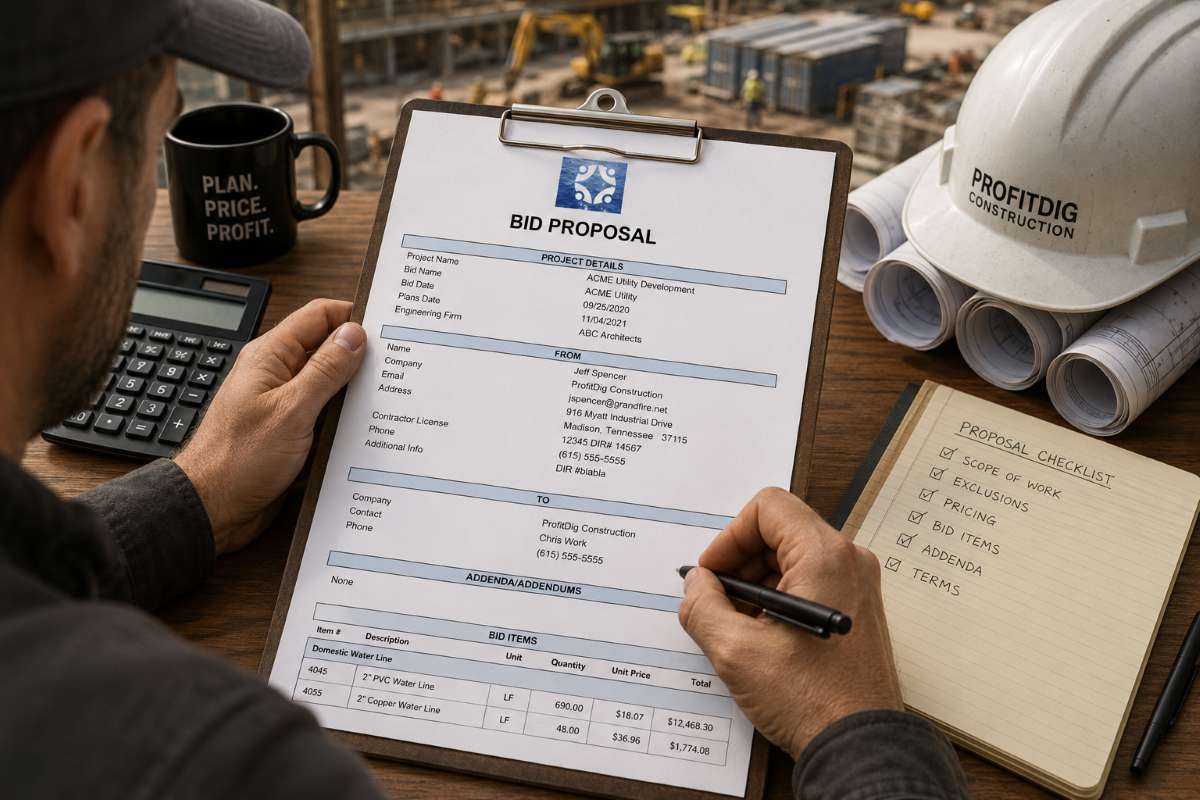
Writing a proposal that stands out can feel like trying to nail jelly to a wall, especially in today’s competitive contracting landscape. But if you take the time to get it right, you’ll save yourself a lot of headaches later. Let’s walk through exactly what makes a strong proposal and how you can put together one that your potential clients can’t resist.
Start with a Clear Scope
Start by checking the details-define the scope of work. You need to be as detailed as possible about what you’re going to do. If you’re offering a roof replacement, specify if you’re tearing off the old roof, replacing any damaged wood, and installing new shingles. Don’t just say “roof replacement.” That vagueness will lead to confusion and those pesky phone calls asking for clarification.
Example Wording for Scope
When you write your scope, consider something like this:
Scope of Work:
– Remove existing shingles and underlayment.
– Inspect decking for damage and replace as necessary.
– Install new underlayment and shingles.
– Clean up the job site daily.
This kind of detail helps keep everybody on the same page right and shows the client you know what you’re talking about.
Include Exclusions
Along with what you will do, be sure to include what you won’t do. This is important for managing expectations and protecting yourself from scope creep. If you’re not including the removal of gutters, say so. If you don’t cover landscaping, make that clear too. Here’s a sample wording:
Exclusions:
– Removal or replacement of gutters.
– Landscaping or repair of flower beds disturbed during work.
Pricing Transparency
Now, let’s talk numbers. Your pricing needs to be straightforward. If you’re quoting $10,000 for the job, break it down. Clients appreciate knowing where their money is going. You might say:
Pricing Breakdown:
– Labor: $5,000
– Materials: $3,000
– Overhead: $2,000
This transparency builds trust.
Expiration Dates
If you’ve received a quote from a supplier and it’s only good for 15 days, don’t leave your proposal open for 30 days. Put a clear expiration date on your proposal. This is another way to protect your pricing and avoid any misunderstandings. A simple line like this can work wonders:
Proposal Valid Until: [Insert Date]
Common Mistakes to Avoid
- Vagueness: Leaving out details can lead to confusion. Be specific.
- Ignoring Exclusions: Not stating what’s not included can lead to disputes later.
- Not Updating Quotes: If a material price changes, update your proposal promptly.
- Forget to Proofread: Typos or unclear language can make you look unprofessional.
The Importance of Details
The more detail you provide in your proposal, the fewer follow-up questions you’ll get. This saves you time that you could be using to prepare other bids. Plus, if you’re up against a tight margin where you’re not the lowest bidder, a detailed proposal can help you stand out. Clients often choose the contractor who seems most prepared and knowledgeable, even if that means paying a bit more.
Building Trust Through Detail
When clients see that you have a solid grasp of the project, they’re more likely to trust you. They’ll believe you have the skills to get the job done right and on time. And that’s what we’re all looking for in the contracting business.
Conclusion
Writing a robust proposal isn’t just about getting the job. It’s about building a reputation that encourages clients to come back to you for future work. With a clear scope, pricing transparency, and a detailed breakdown of what you will and won’t do, you can create proposals that not only win bids but also build trust.
If you’re tired of guessing and want to track your job costs more accurately, tools like ProfitDig can help make easier your process and keep you organized. It’s all about being priced for reality and knowing your numbers, so you can bid with confidence.
Stop losing profit.
Build bids in minutes and track every dime with ProfitDig.
Start Risk-Free30-Day Money Back Guarantee